Petition denied
Published 3:15 pm Tuesday, February 24, 2026

After hundreds weigh in, ODFWC makes no changes to current process
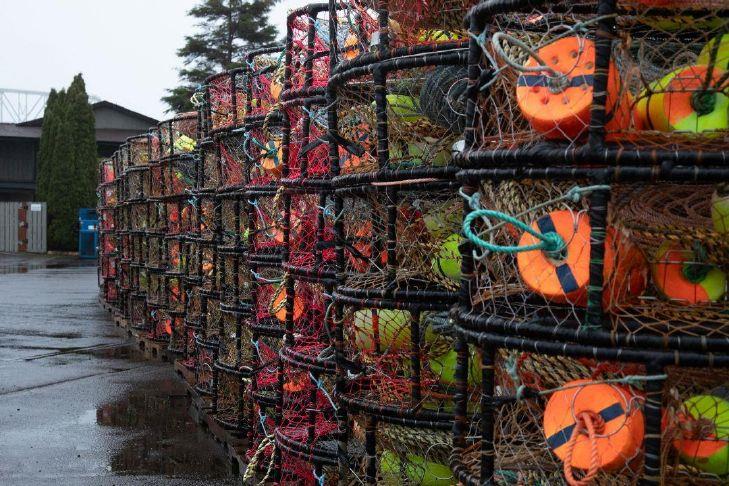
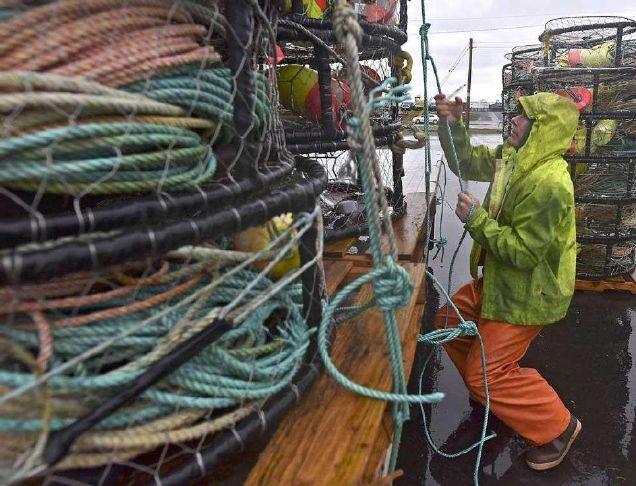
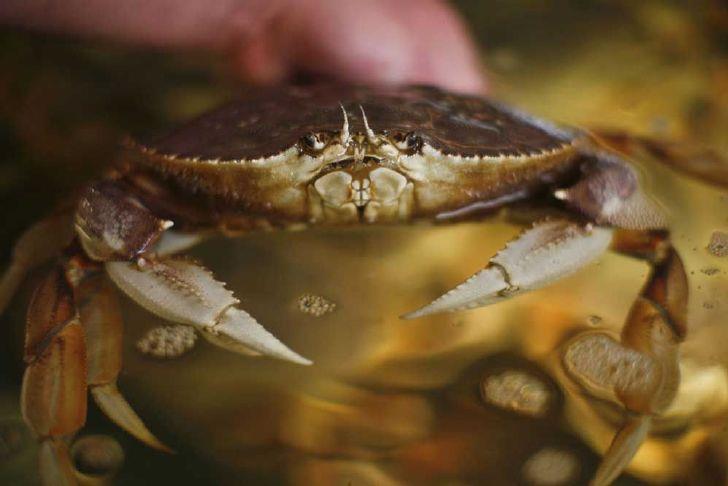
On Friday, the Oregon Department of Fish and Wildlife Commission voted to deny a petition that would have made big changes to the Dungeness crab fishery.
Commissioners arrived at the decision after reviewing hundreds of pages of comments, and listening to hours of public testimony at a meeting held at the Lane County Armed Forces Readiness Center in Springfield. About 70 people testified, including crabbers, environmental groups and surrounding organizations who packed the room.
The petition, filed in December by four environmental groups, would have made a series of changes to the Dungeness crabbing season. The changes include requiring “pop-up” crabbing gear, new reporting standards for whale entanglements and starting the late season in April instead of May.
According to four environmental groups — the Center for Biological Diversity, Oceana, National Resource Defense Center, the American Cetacean Society and the Center for Biological Diversity — the changes would greatly reduce the risk of entanglements in the fishery.
“We have a serious and increasing problem with whale entanglements in Oregon Dungeness crab gear,” said Ben Enticknap, Pacific Campaign director at Oceana.
Jared Margolis, a senior attorney at the Center for Biological Diversity, also commented at the meeting. “Our petition proposes several regulations that are informed by the best available science,” he said.
Tara Brock, who serves as the legal campaign director for Oceana provided another voice for the environmental groups.
“If the current level of take continues, it is not clear that Oregon can be granted an incidental take permit,” she said. According to the U.S. Department of Fish and Wildlife, incidental take permits may be sought when a non-federal entity believes their otherwise lawful activities may result in take of endangered or threatened animal species.
Francine Kershaw, a senior scientist with the National Resource Defense Center, was concerned that the current rules weren’t doing enough to protect wildlife.
“Currently there’s a mismatch between these big existing measures and the best available science,” Kershaw said.
However, Oregon crabbers said that the effects of the petition would have a large effect on the fishery.
Several North Coast crabbers and community members weighed in
“I would just ask that we continue this history we have of working together for conservation wins and reject this petition from out-of-state organizations with an extreme agenda,” said Rob Seitz, a member of the Astoria crabbing fleet.
Kurt Englund, owner of Englund Marine and Industrial Supply Co., offered a perspective from a support industry.
“If (the fishermen) take a hit, it’s going to directly affect us,” he said. “I encourage you to make a decision based on the facts and not the sentiment.”
Amy Sharp, president of FishHer Columbia Pacific Community Alliance, also addressed the commission.
“We cannot minimize our time in the water,” she said. “We have to protect (the fleet) from these entities which profit from perpetuating environmental issues.”
Many members of the Oregon Coast Crab Association were also on hand, including President Gary Ripka. He sympathized with the members of the commission who were tasked with making the decision at hand.
“We know the position this puts you in,” he said. “Get sued by out-of-state activists or stand with Oregon fishing families.”
Ripka’s advice to “stand with our community from Astoria to Brookings,” evoked a standing ovation from the crowd.
What’s next?
Though the petition was denied, ODFW said it will continue its rulemaking process to reduce entanglement risk.
Future changes could include experimental permits for pop-up gear and vessel monitoring requirements.
The department officials also seek to finish their conservation plan which paves the road to an incidental take permit. According to the department this would ensure compliance with the federal Endangered Species Act.
“We recently heard back from NOAA (National Oceanic and Atmospheric Administration) on the (Conservation Plan) and are addressing their comments. We will continue to aggressively pursue the C.P. and an (incidental take permit),” said Mike Herrington, the department’s Fish Division Administrator.
Seitz is happy that for now, things will remain business as usual for the North Coast.
“It’s a path that makes sense for everyone involved.”