In One Ear: Friday foreboding
Published 5:00 am Thursday, February 12, 2026
It’s a widespread belief in America that Friday the 13th is a bad luck day. But why? The History Cooperative offers four origin explanations to ponder on Friday.
One is linked to the Bible. In the Old Testament, Eve gave Adam the mankind-dooming apple on the 13th day and, in the New Testament, Judas, the 13th guest at the Last Supper, betrayed Jesus.
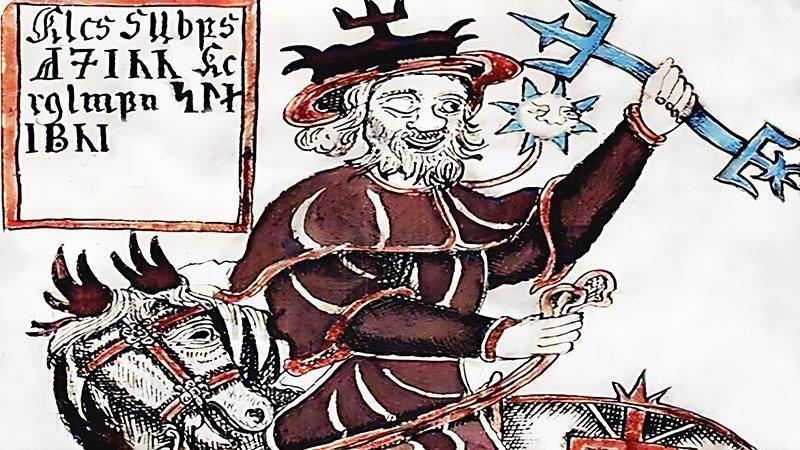
In Norse mythology, the trickster god Loki was left out of a 12-god dinner at Valhalla. Angry at the snub, Loki showed up anyway. As the 13th guest, he set up the beloved god Baldur‘s murder, causing pandemonium and sorrow.
And then there’s the arrest of the powerful Templar Knights, ordered by King Philip IV of France on Oct. 13, 1307. The king not only thought they were too influential, he was after their assets. The arrests were accompanied by “interrogations and torture” and threats of execution. The knights were disbanded.
But let’s not forget the most obvious reason why the superstitions surrounding Friday the 13th, or the number 13, have maintained such influence over the ages: The interest in the topic — including in books, art, folklore, short stories and films — that has continued to flourish through the years.
But it’s not just superstition, either. Business Insider mentions several awful random Friday the 13th events. To mention just a few: March 13, 2020, the first official day of the COVID pandemic; Jan. 13, 2012, the Costa Concordia ran aground, killing 30; and Sept. 13, 1940, Buckingham Palace was bombed by the Germans.