Students ACT Now! for second chance in higher ed
Published 5:00 am Tuesday, February 10, 2026

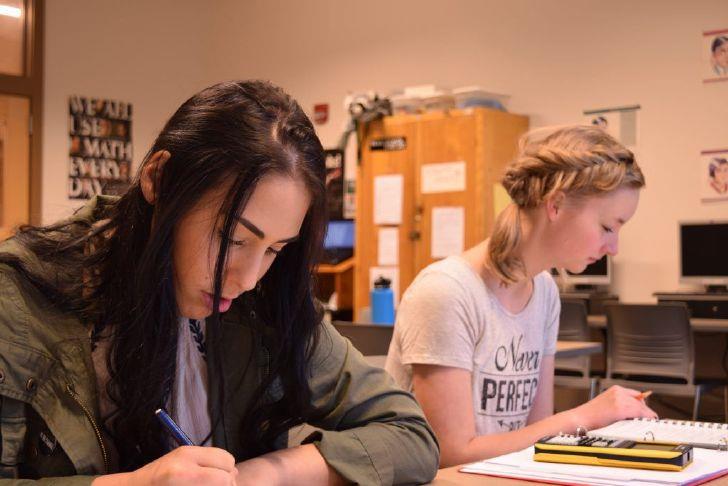


Students, staff and alumni at Clatsop Community College shared stories of perseverance, resources and second chances during ACT Now! Thursday’s event was hosted by CCC and the local chapter of the American Association of University Women (AAUW) and focused on supporting nontraditional students and adult learners.
College leaders, faculty and current students encouraged 26 attendees to see education as a pathway to new opportunities — regardless of age, career changes or personal challenges. Registered attendees will receive an automatic $500 scholarship for the Spring 2026 term. The term begins on March 30 after spring break.
The college’s President Jarrod Hogue opened the event by congratulating attendees for taking steps towards their education.
“I know we all have our challenges and hurdles,” Hogue said. “Give yourself some credit for just being here today.”
Hogue said the close-knit environment of the small community college, where students often know their instructors and staff personally and can more easily access help when they encounter barriers, encourages students to stay.
“We don’t want to see any student stop coming just because something unfortunate happens,” he said. School resources include emergency financial assistance, food support and transportation.
Students share come back stories
Current students Angelo Hauermann and Fiona Giselle Hackett shared their experiences as nontraditional students, highlighting how different life paths can lead back to the classroom.
Hauermann, 40, said he returned to college 18 years after graduating from high school while balancing work and family responsibilities. He initially felt out of place but found support through instructors and campus resources. He is now finishing his transfer degree and plans to continue his education at Oregon State University.
“Time isn’t going to stop,” he said. “In 10 years, you’re either going to have a degree or you’re not.”
Hackett, 28, graduated from Seaside High School and after moving away and coming back, she described her journey from an online student to president of the college’s Associated Student Government. After high school, Hackett moved to Seattle to escape a community she felt she never belonged to. Moving back and going to school at CCC helped her overcome her imposter syndrome, she said. She will be awarded an associate degree of arts in English in June, and plans to apply to Yale University.
“To come back years later and be embraced by faculty and peers — it was restorative,” Hackett said. “Believe in the process that got you this far.”
Alumni perspective
James Cook, a graduate of CCC’s medical assisting program, said he entered the workforce after completing his training as a pediatrics nurse and now mentors new medical assistants.
Cook encourages students to build connections during their education rather than navigating college alone.
“Find people in your program, connect and grow together,” he said. “That’s a big part of the education experience.”
Resources aim to reduce barriers
The event included speakers from different areas of the college to share the resources they can provide to students to overcome financial, academic and personal obstacles.
Interim Dean of Student Success and Director of Financial Aid Sarah Gelenynse, discussed simplified Free Application for Student Aid (FAFSA) applications and urged students to apply early to access grants, scholarships and living expense assistance.
Gelenynse said it’s satisfying to be able “to sit down and work one-on-one with students to help them figure out how they’re going to be able to come to school and be successful. … Get things paid for and still live life at the same time.”
Student Access Service Coordinator Faith Forster outlines accommodations for students with disabilities or documented barriers, including testing support, adaptive technology and quiet testing spaces.
Others programs include:
TRIO Student Support Services offering advising, transfer assistance, university campus visits, and basic need support for first-generation and low-income students.
Pre-College Upward Bound, providing college and career guidance to middle and high school students across Clatsop County.
STEP ( SNAP Training and Employment Program) which can help eligible students pay for tuition, books, supplies and transportation.
Foundation Emergency Grants, which provide financial assistance for unexpected expenses.
Director Beth van Elswyk said she recalls growing up in a working class household being told “Don’t take handouts.
“There are no handouts,” van Elswyk said. “They are benefits and resources that are here for you because your success strengthens the whole community.”
Kasey White, CCC’s admission director said the event is trying to tell the students that they belong here.
“We will help you be successful.”