Can you dig it?
Published 10:00 am Friday, February 6, 2026

February is a natural time to start planning a garden
The month of February is a bridge between winter dormancy and gardeners’ anticipation of tender new seed sprouts popping up as we head closer to spring.
Save some bucks by gardening frugally
Any time of year is a good time to set a gardening budget, and winter offers a long window to plan before planting begins.
“Gardening is like any other hobby,” said Brooke Edmunds, a horticulturist with the Oregon State University Extension Service. “It takes some level of investment. But it doesn’t have to be that expensive. There are shortcuts.”
Some money-savers are as simple as buying smaller plants. Others, such as saving seeds or making compost, take a little more effort. All aim at the same goal — keeping gardening costs down.
Use seeds instead of starts
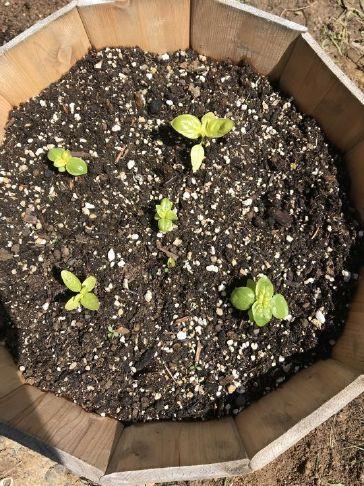
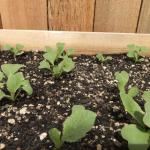
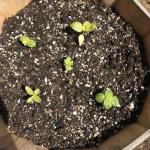
Starting your own plants can save a lot over time, even with an initial investment in lights, trays and planting mix.
Seed packets can contain 100 seeds, which means many more plants for the price.
Extra plants can be traded with friends to increase variety.
Reuse trays if the previous crop had no disease; wash with soap and water.
If there was disease, wash and then disinfect in a solution of 1 part bleach to 9 parts water.
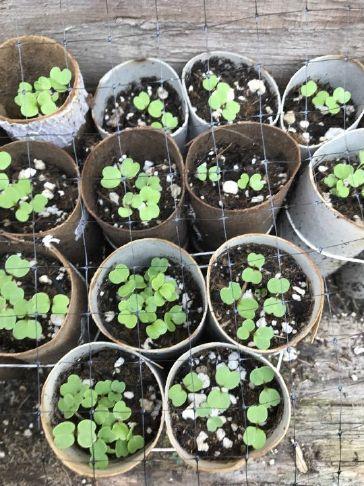
For even more savings, start seeds in egg cartons, newspaper cylinders or plastic cartons with holes punched for drainage.
Buy smaller plants
If you are patient, choose the smaller size.
A 4-inch pot instead of a 1-gallon pot
A 1-gallon plant instead of a 5-gallon plant
Smaller plants usually catch up in a season or two.
Make your own compost
“It takes more time, but it saves a lot of money,” Edmunds said. Use kitchen scraps and garden waste to build a pile. If you have access to chicken or livestock manure and bedding, mix that in for a richer compost. Let the pile decompose until pieces of bedding are no longer visible.
Shop sales
Look for low-cost plants at the times and places where they show up most often.
Community and group plant sales in spring
Extension Master Gardener sales in your area
Nursery markdowns in late summer and late fall
Discount corners with plant “seconds”
Save seeds
Collecting seeds at the end of the season is a simple way to reduce next year’s costs. It works even better if you combine it with seed swapping.
Hold a plant and seed swap
Divide larger plants or pot up extra seedlings you have started. Then invite friends who also have plants to share. Add coffee and you have a low-cost way to grow everyone’s gardens.
Make use of recycled materials
Garage sales, thrift shops and classified ads often have used gardening supplies, pots, edging and tools at low cost or free. You can also forage natural materials — branches, stones, bamboo poles — to make supports or borders.
Build your plant collection with cuttings
Propagating with cuttings is another way to expand your garden without buying more plants.
Attract beneficial insects
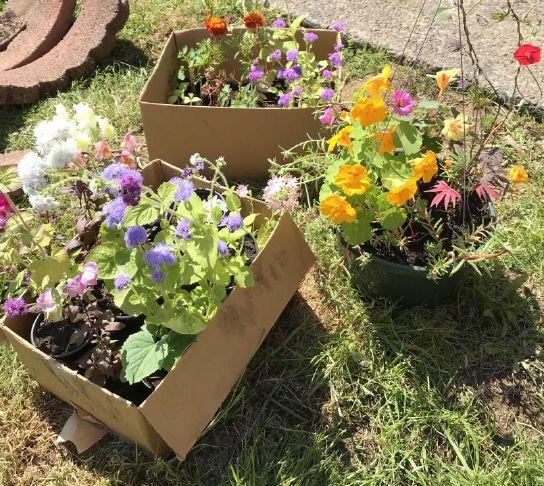
Instead of buying products for pest control, plant flowers and other plants that bring in beneficial insects. They will help reduce pest populations and keep the garden more balanced.
Split a load of mulch
Share the cost of a delivery of mulch or compost with a neighbor. You can also watch for arborists removing trees; they often have wood chips to give away, which can be used as mulch.
How to read seed packets before you buy
Beautiful catalogs that arrive in January can make it easy to overbuy, but understanding the terms on packets helps gardeners choose seeds that fit their gardens.
Nicole Sanchez, a horticulturist with the Oregon State University Extension Service, tells gardeners to plan before choosing seed because it is so easy to get carried away. If that happens, she noted, there is usually someone willing to take extra packets.
Understanding the language on seed packets helps gardeners match plants to size, location, disease concerns and seed-saving goals.
“Take squash for instance,” Sanchez said. “There are varieties that stay small (for patios and containers) and those that ramble. Vining types might be suitable for creating shade for weed control and moisture retention. For those interested in seed saving, not all vegetable seed is equally reliable. Much depends on the origin of the saved seed.”
Key terms to know
Cultivar
This horticultural contraction means “cultivated variety” and can describe a plant that is hybrid, heirloom, organic, pelleted or has other descriptors. The term signals a variety with specific, identifiable, consistent and reliable traits.
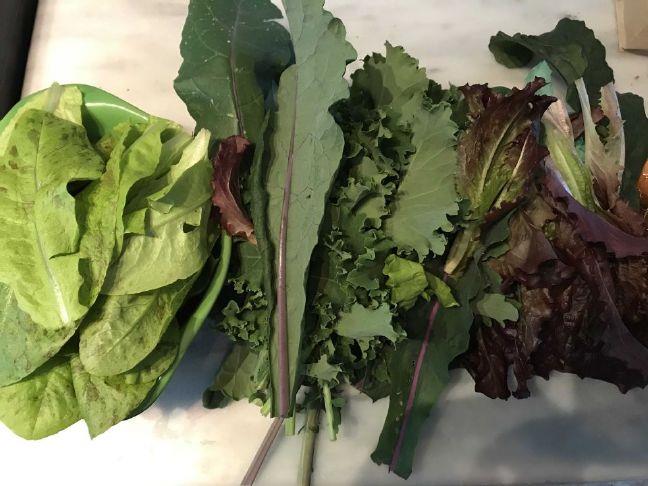
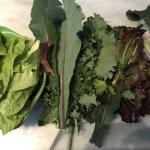
For example, Merlot and Two Star are both loose-leaf lettuces, but Merlot has deep red, mildly frilly leaves and downy mildew resistance, while Two Star has bright green, very frilly leaves, makes a larger plant and has no listed disease resistance.
Heirloom
This term and “open pollinated” are often used together and describe seeds that tend to be good for saving. Heirloom cultivars are older — often 50 to 100 years old — and many are tied to a region where they perform especially well or are treasured.
Sanchez pointed to yellow cabbage collards of the Carolinas, which are preferred for thinner, finer leaves and are often in short supply.
Open pollinated
Seeds with this designation perform true to type through pollination. True to type means saved seed in the second, third or later generations will have the same characteristics as the original plant. Open-pollinated seeds are the best choice for gardeners interested in saving seeds. Many open-pollinated seeds are heirlooms, but not all.
Hybrid
Most vegetable seed available to home gardeners is hybrid, which is not the same as GMO. Through breeding, traits from different varieties are combined to create plants with certain characteristics for size, color or disease resistance.
Hybrids are often high yielding and offer advantages to gardeners, but they are not dependable for seed saving. Because they come from two parent plants, saved hybrid seed may not sprout, may stall at the seedling stage or may produce fruit that looks or tastes different. Hybrids are not suggested for seed saving.
Resistance
Disease resistance and tolerance help gardeners manage problems with fewer inputs. Resistance is especially helpful when a disease has occurred in the garden more than once or when it is soilborne. Not every cultivar has resistance, and some have resistance to more than one disease.
Seed catalogs and websites usually provide charts that list diseases and abbreviations for each crop. For example, a seed description with “BLS” at the end would indicate resistance to bacterial leaf spot, which affects many vegetables.
Contributors: Brooke Edmunds, Community Horticulture Master Gardeners; Nicole Sanchez, Horticulture
— Oregon State University, OSU Extension Service based in Corvallis, Oregon. To learn more and explore their resources, visit: extension.oregonstate.edu.