Commentary: Event shows Native foods making a comeback
Published 10:49 am Wednesday, January 28, 2026
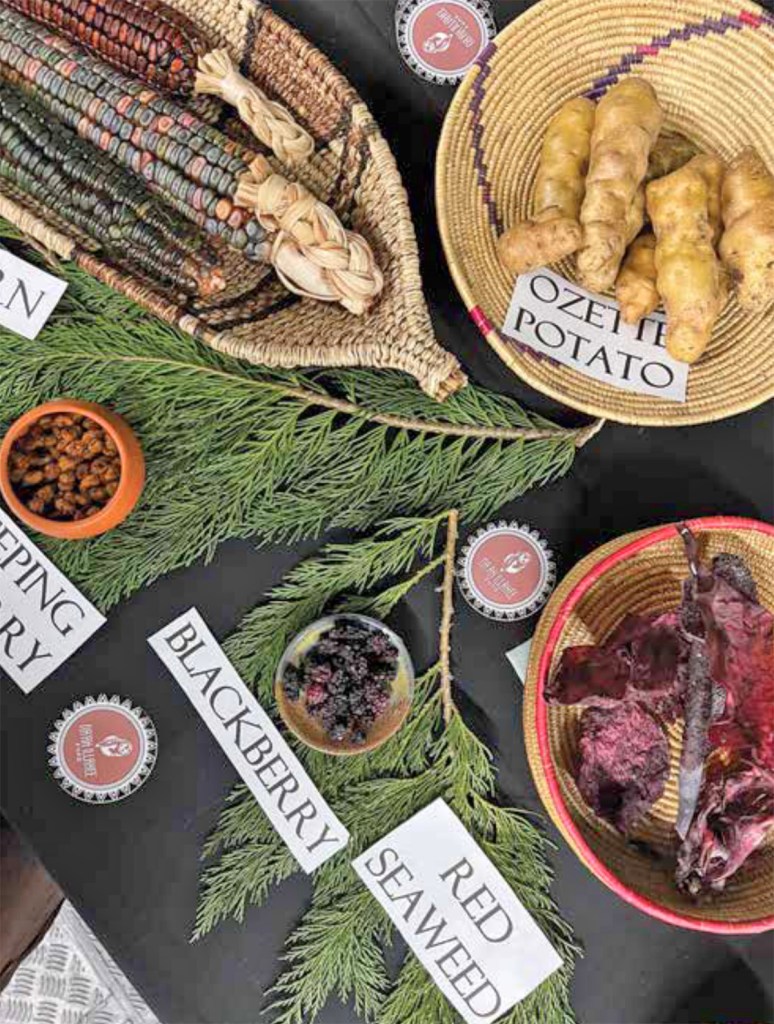
White pine, milkweed and the blossoms of fruit trees are a few lesser-known ingredients in Indigenous foods across North America. These foods also include fish, shellfish, seaweed, berries, root vegetables, grains and big game.
While access to the majority of these food types is uncommon — in favor of mass-produced agricultural products like beef and wheat and garden-variety vegetables — Native American knowledge keepers and a growing movement of Indigenous food producers are working to change course.
“Never before in our history have we been so far removed from the source of our food,” said Valerie Segrest, a Native nutrition educator and member of the Muckleshoot Indian Tribe, during the Native Grown & Gathered Food Expo she helped organize in Seattle in October.
The event brought together Indigenous harvesters, chefs, food preservation experts and entrepreneurs for a three-day celebration of their ancestral foods.
“The western diet has always ignored the knowledge of Indigenous food systems,” said Sean Sherman, the Native restaurateur behind The Sioux Chef. “We have this beautiful, amazing, giganti continent and we should be doing more to look at its variety of foods and embrace these Indigenous ingredients: North American foods.”
The expo showcased whole foods such as wild rice and frozen cuts of salmon, as well as products like teas, baked goods and seasonings made with native plant ingredients that are being reclaimed in the Northwest and beyond.
“There’s no reason these foods should be so rare across the country,” Sherman said.
Presentations and workshops were punctuated by the rich scent of salmon cooking and tantalizing flavors in samples like a nettle honey elixir, huckleberry syrup and seaweed salt blend.
Jay Mills, a Suquamish tribal council member well-versed in cooking local seafood, shared dishes prepared with smoked salmon and geoduck clams. While sharing his recipes, Mills described how he learned to prepare and cook the bounty of the Salish Sea from his elders.
“My grandmother would be proud that I’m passing this on,” he said.
The spirit of knowledge-sharing was woven throughout the expo. The overarching mission of the event and its partners is to support the continued regrowth of Indigenous food cultivation, harvest and access through sovereignty, entrepreneurship and intergenerational learning.
“This is about the next generations,” Sherman said. “When our kids are trying to DoorDash food and deciding what to get, whether it’s Italian or Chinese or Native American, we just need to be on that list.”
How long it might take for that dream to be realized is unclear, but the expo showed the momentum is building. Indigenous foods are increasingly being shared again across Native communities, as well as being made more broadly available for purchase through farmers markets, shops, restaurants and food-sharing programs.
“We’re building knowledge from the past into feeding the future,” Segrest said. “Cook a fish, shuck an oyster — eat your food.”