Surfing the North Oregon Coast in winter? Use winter wisdom
Published 12:13 pm Wednesday, December 17, 2025
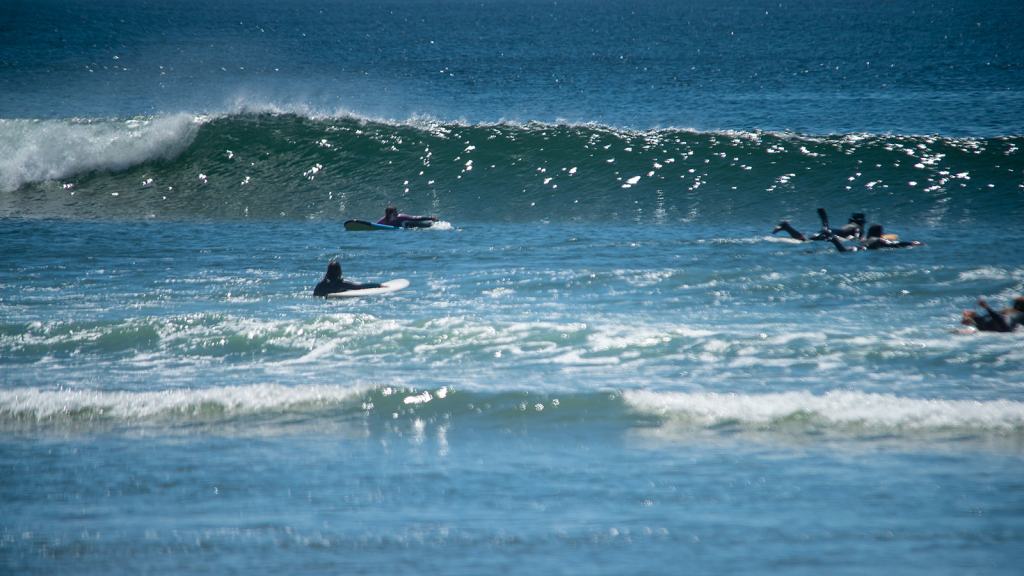
The summer sport in off season offers unique challenges and thrills
CANNON BEACH— When winter arrives on Oregon’s North Coast, the waves change and so does the challenge of riding them. For surfers like Lexie Hallahan, the season offers both exhilaration and risk.
Hallahan has been an instructor since 2005 and is now the executive director of Northwest Women’s Surf Camps, which normally offers lessons to beginner surfers during the summer months.
“Winter swells are different from summer swells,” Hallahan said. “They’re bigger, stronger and come from much farther away. It’s like the ocean is on steroids compared to summer.”
Hallahan said from mid-September through early spring, prevailing southerly winds bring “ground swells,” large, organized waves generated thousands of miles away. By contrast, summer waves are mostly wind swells, smaller and gentler, ideal for beginners.
“In summer, you might get a 2- or 3-foot ground swell once or twice,” she said. “But in winter, 8-foot waves at 13-second intervals are common. That energy can be two to three times stronger than any summer swell.”
Besides getting a made-for-winter wet suit, there are other precautions to take if you want to take up winter surfing.The heightened power of winter waves makes skill and preparation essential.
“You have to know how to read the forecast, understand the tide, the wind and your own skill level,” Hallahan said. “If you’re not competent, it can be dangerous — especially since lifeguards aren’t on every beach.”
Safety, she said, starts before even entering the water. Observing conditions for 20 to 30 minutes, watching how other surfers handle waves and rips and assessing one’s own swimming ability are all crucial steps. Hallahan called it a personal “preparedness survey” to reduce risk.
“Ask yourself: If my leash snaps, can I swim in?” she said. “That’s often overlooked, but it can be the difference between a magical session and a life-threatening situation.”
Hallahan also highlighted the joys of winter surfing, describing a session 25 years ago with a friend during a snowstorm off Avenue U in Seaside.
“It was about 20 degrees with snowflakes the size of half-dollars,” she said. “The water was warmer than the air, so every wave felt incredible. We were trading waves and catching snowflakes on our tongues. It was perfect, cold and exhilarating.”
Experienced winter surfers also benefit from reading the ocean like a map. Each local spot has its own “recipe” of swell height, direction, wind speed and tide. Only years of observation can teach a surfer how to navigate these variables safely.
Hallahan said the key to winter surfing is preparation, skill and respect for the ocean’s power.
“It’s easier to stay out of trouble than to get out of trouble,” she said. “Watch, observe and make a judgment call before you put your suit on. When you do, it can be the most magical session you ever have.”